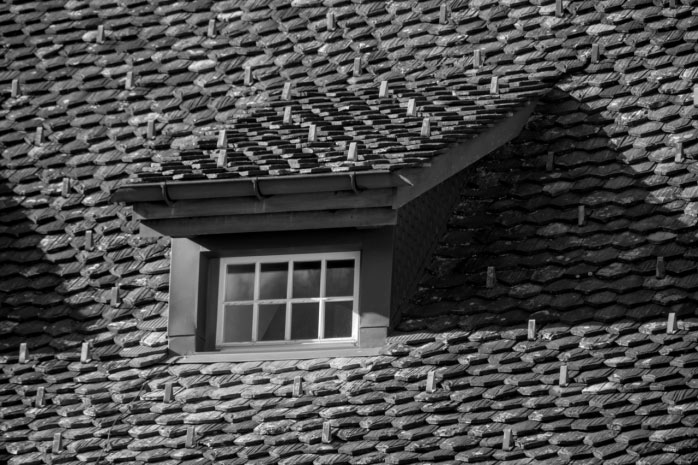
Shingle Roofing
Shingle roofing was modernized in 1903 by Henry M. Reynolds from Grand Rapids, Michigan. He introduced asphalt shingles by cutting roofing materials into smaller, uniform pieces, making them more efficient, durable, and heat-resistant.
Shingle roofing is available in a variety of materials, including fiberglass, wood (such as cedar), steel, aluminum, copper, natural stone, rubber, and synthetic compositions.
Types of Shingle Roofing
® Architectural Shingles (Laminate/Dimensional)
® Three-Tab Shingles (Strip Shingles)
® Luxury / Designer Shingles
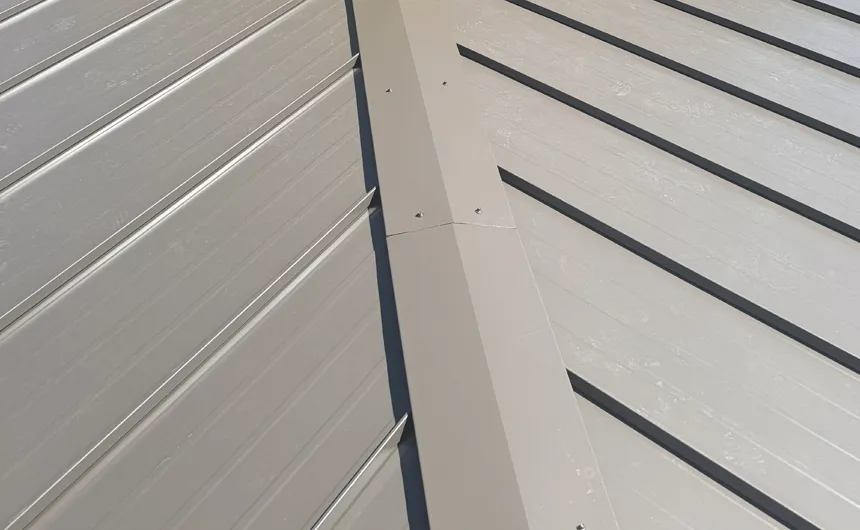
® Metal Shingles (Stone-Coated)
® Wood Shingles vs. Wood Shakes
® Synthetic (Composite) Shingles
Tiles Roofing
The tile roofing has been used for thousands of years, with its earliest use pop up in ancient China and the Middle East. While the inventors of ancient tile roofing are unknown, the 20th century brought important innovations that modernized the industry. In the early 1900s, A.B. Klay patents advanced tile-making machinery that revolutionized production efficiency. Shortly after, in 1924, Sir Owen Aisher founded the Marley Tile Company, which became a key part of the modern concrete tile industry and set a new accessibility standard for durable roofing, making it easier for people to afford and use. Choosing the right solution is important, and our affordable roof repair services ensure high-quality work without exceeding your budget.
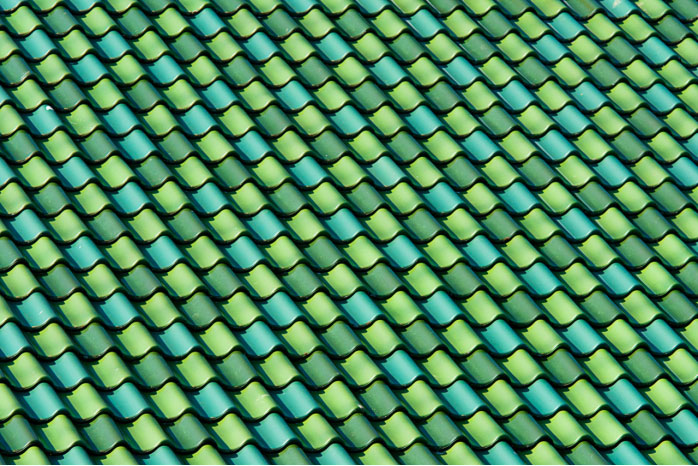
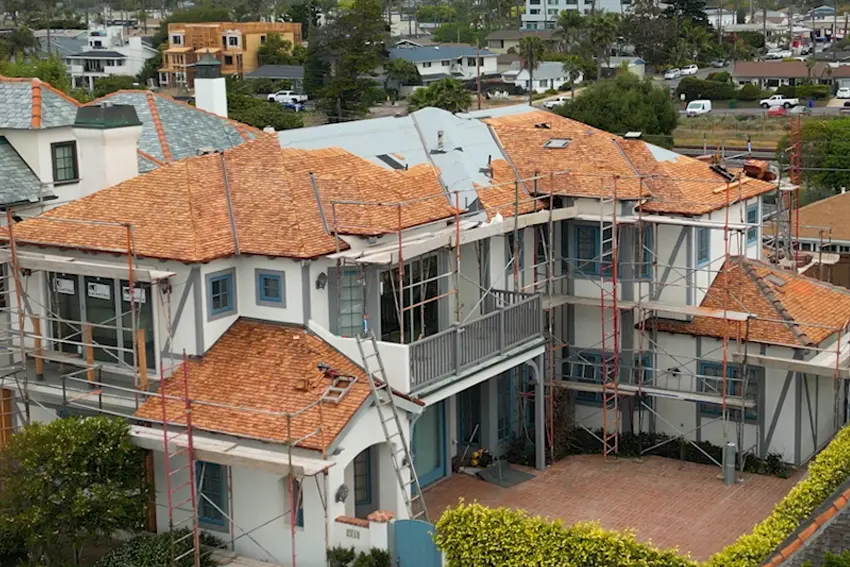
A tile roof is a premium roofing system made of separate tiles, usually from clay or concrete. Tiles roofing are also known for their strong strength and can long for many decades – often up to 100 years. If you install tile roofing, it stays strong for many years, you don’t need repairs again and again, your family stays safe inside.
Types of Tile Roofing
- Clay Tiles (Terracotta)
- Concrete Tiles
- Slate Roof Tiles (The “Forever” Roof)
- Composite/Synthetic Tiles
- Metal Tiles
- Solar Tiles (Building-Integrated Photovoltaic/BIPV)
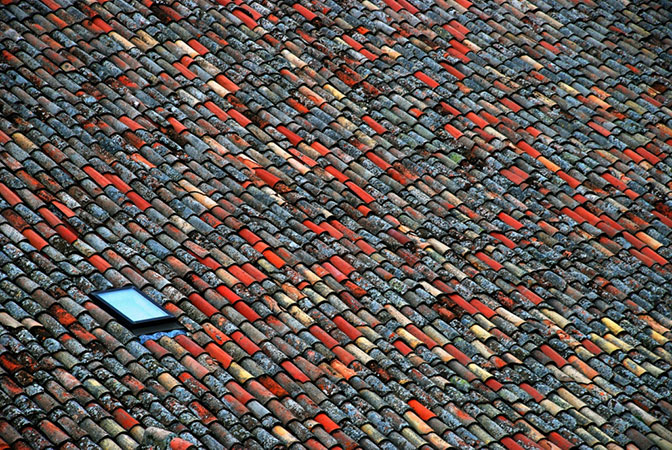
shingle vs tile roofing Info Table
While both types of roofing protect your home, they have very different benefits when it comes to cost, weight, and suitability for different climates.
| Feature | Shingle Roof (Asphalt) | Tile Roof (Clay/Concrete) |
| Lifespan | 25–40+ years | 50 – 100+ years |
| Weight | 200 – 400 lbs/sq | 600 – 1000 lbs/sq |
| Cost | $3 – $12 sq.ft | $10 – $25 sq.ft |
| Climate | Absorbs Heat | About 70% of Heat Reduction |
| Maintenance | Easy repairs with low budget | Easy repairs with low budget(tile breaks if walked on) |
| Installation | Fast and Simple | Specialized but slow |
13 Reasons Why Roofing Is Important
- Preserves the building’s structure
- Prevents moisture damage like mold and decay
- Regulates indoor temperature
- Protects walls and ceilings
- Enhances safety by stopping water leaks
- Stops water from rotting wooden rafters and beams
- Reflects heat with proper roofing and venting, lowering cooling costs
- Seals the home against squirrels, rodents, and insects
- Gives safety, comfort, and security to everyone inside
- Controls humidity and keeps allergens out
- Stops water pooling that can damage your foundation
- A new roof increases the resale value of your home
- Modern materials like tile and metal provide high fire protection
Conclusion
Choosing the right roof is an important decision for every homeowner. Shingle roofs are affordable, lightweight, and quick to install, making them a practical choice for many homes. Tile roofs, while heavier and more expensive, offer unmatched durability, fire resistance, but long-term and often lasting up to 100 years. By understanding the differences in cost, lifespan, weight, and climate suitability, you can select the roofing option that best protects your home, enhances comfort, and provides peace of mind for your family for decades to come.
Shingle Roof: 25–40+ years
Tile Roof: 50–100+ years
Shingle Roof: Made of smaller, overlapping pieces, usually asphalt, wood, or metal. Affordable, lightweight, and easy to install.
Tile Roof: Made of separate tiles, typically clay or concrete. Heavier, more expensive, but extremely durable and long-lasting.
Shingle roofs absorb heat, which can make homes warmer.
Tile roofs reflect about 70% of heat, keeping homes cooler in hot climates.
Shingle Roof: $3–$12 per sq.ft
Tile Roof: $10–$25 per sq.ft
Shingle Roof: Easy to repair with a low budget.
Tile Roof: Also easy to repair, but tiles can break if walked on, so caution is needed.
Tile roofs are heavy (600–1000 lbs/sq) and may require extra structural support, so your home must be able to bear the weight.
Shingle roofs are lighter (200–400 lbs/sq) and suitable for most homes.
Tile and metal roofs provide high fire protection. Shingles are less fire-resistant but modern asphalt shingles still offer reasonable protection.
Yes! Both shingle and tile roofs increase resale value, but tile roofs often have higher long-term value due to their durability
Shingle Roof: Quick and simple, can be done in days.
Tile Roof: Requires specialized installation, so it is slower and more labor-intensive.
Both provide protection against leaks, pests, and weather. Tile roofs offer extra durability and longevity, giving peace of mind for decades.