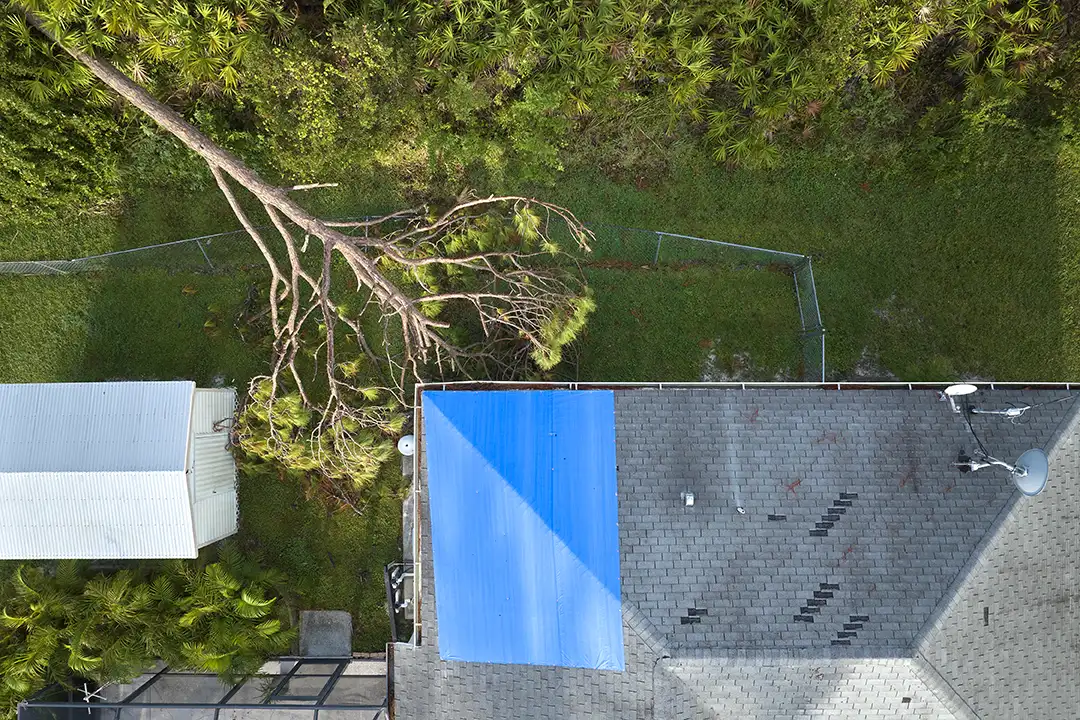
A storm rolls through North County. You notice water stains on the ceiling, a few missing tiles, or something that just doesn’t look right after a windstorm. Your first instinct might be to call a roofer, and that’s a good one. But if the damage was caused by a sudden event like wind, hail, or fire, your homeowner’s insurance policy may cover a significant portion of the repair or replacement cost.
The catch? Navigating an insurance claim can feel overwhelming if you’ve never done it before. This guide walks San Diego homeowners through the process from start to finish, so you know what to document, what to expect, and how to avoid the most common mistakes that lead to denied claims.
Does Homeowner's Insurance Cover Roof Damage?
The short answer: it depends on the cause of the damage.
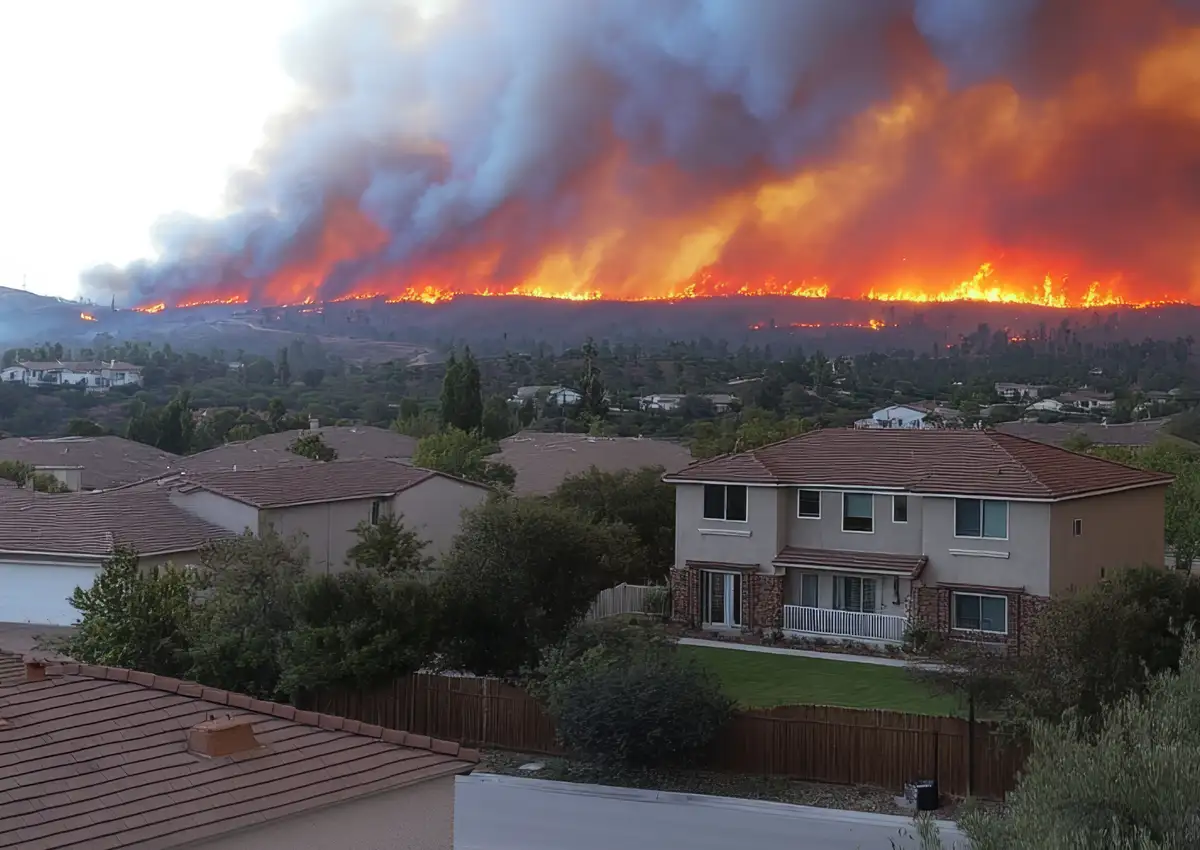
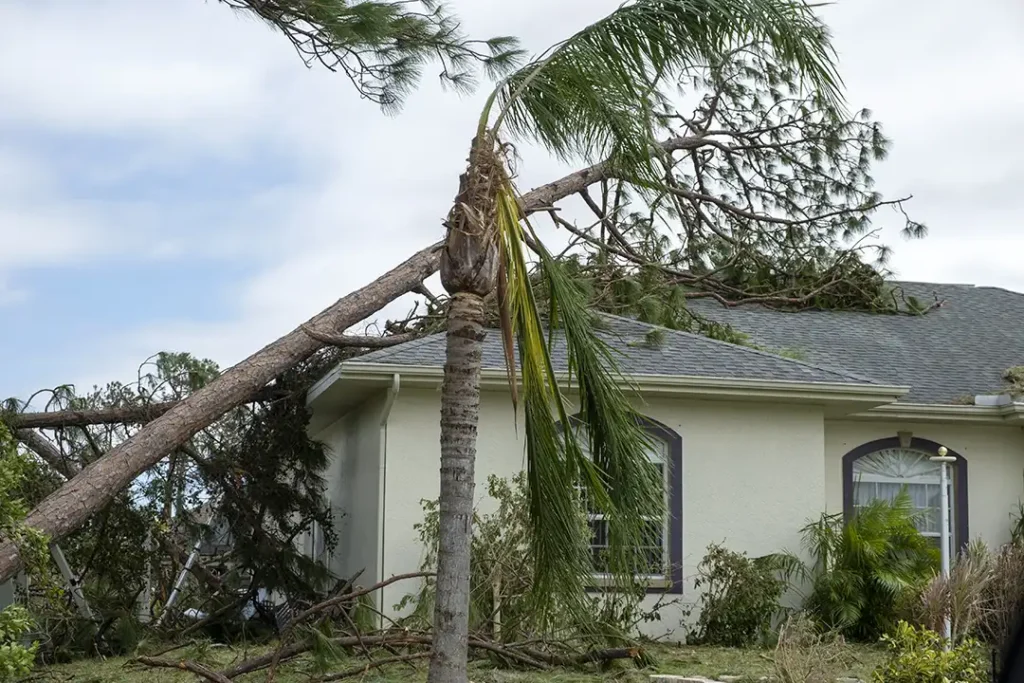
Most standard homeowner’s insurance policies cover roof damage that results from a sudden, unexpected event, also called a “covered peril.” That typically includes wind and storm damage (Santa Ana wind events are common in San Diego County), hail, fire and wildfire damage, and falling objects like tree limbs or debris.
What insurance does not typically cover is damage from normal wear and tear, neglect, or aging. If your roof is 25 years old and simply deteriorating, an insurer will likely deny your claim even if the damage looks similar to storm damage. This is one reason regular roof maintenance matters so much: a well-documented, well-maintained roof is easier to insure and easier to claim on.
Step 1: Assess and Document the Damage (Before Calling Your Insurer)
Before you call your insurance company, take time to document everything you can safely observe. Do not go on the roof yourself. Leave physical inspection to a licensed roofing contractor.
From the ground and inside your home, document the following before you do anything else:
- Photos and video of any visible exterior damage, including missing tiles, shifted flashing, or damaged gutters
- Interior signs of damage such as water stains on ceilings, damp insulation, or active leaks
- The date and nature of the weather event that caused the damage, since establishing a clear timeline is critical to your claim
If a significant storm passed through, save any local news reports or weather service alerts that documented it. Insurers appreciate third-party evidence confirming that a weather event occurred.
Step 2: Call a Local Roofing Contractor for an Inspection
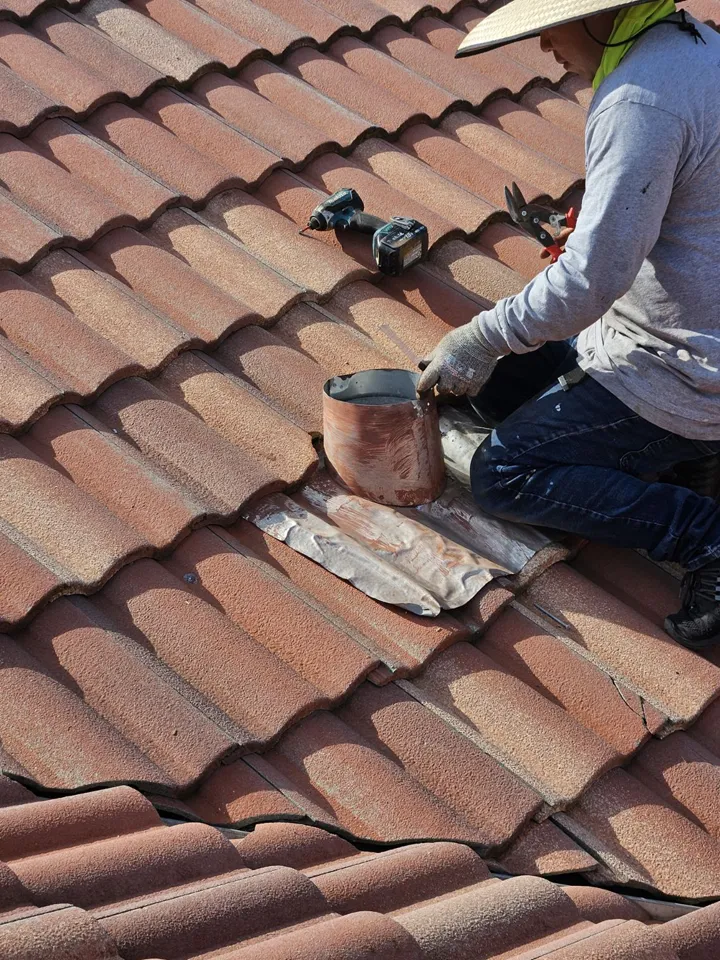
One of the most valuable things you can do before filing your claim is to have a licensed local roofing contractor inspect your roof and provide a written damage assessment. A professional inspection identifies damage you may have missed, gives your claim credibility with an independent report, and provides an estimate of repair costs so you’re not relying solely on the insurer’s adjuster to define the scope.
At Schott Roofing, we’ve worked alongside homeowners throughout the insurance claims process and understand what adjusters look for. We can provide a clear, professional assessment of the damage to support your claim.
Step 3: File Your Claim
Contact your insurance company to open a claim. You’ll typically need your policy number, the date the damage occurred, a description of the damage and its suspected cause, and your documentation including photos, video, and your contractor’s report.
Many insurers now allow you to file claims online or through a mobile app. Once your claim is opened, you’ll be assigned a claims adjuster who will schedule a visit to assess the damage in person.
Step 4: The Adjuster Visit
The adjuster works for the insurance company and will inspect your roof to determine whether the damage is covered and estimate the cost of repair. It’s worth knowing that you have the right to have your roofing contractor present during this visit, and we strongly recommend it. Your roofer can point out damage the adjuster might overlook and advocate for a more thorough assessment. Adjusters handle many claims at once and don’t always catch everything. After the visit, ask for a written copy of the adjuster’s findings before you agree to anything.
Step 5: Review the Settlement Offer
After the inspection, your insurer will send a settlement offer covering what they’re willing to pay toward repairs or replacement. Review it carefully before accepting.
Pay attention to whether your policy pays Actual Cash Value (ACV) or Replacement Cost Value (RCV). ACV accounts for depreciation and pays out less; RCV covers the full cost to replace with similar materials. Also confirm your deductible, which will be subtracted from the payout, and compare the insurer’s line-item scope of work against your contractor’s estimate to check for missing items or discrepancies.
If the offer seems low or incomplete, you can and often should negotiate. Your contractor’s written estimate is your strongest tool in that conversation.
Common Reasons Roof Insurance Claims Get Denied
Understanding why claims get denied is one of the best ways to protect yourself. The most common reasons include:
- Pre-existing damage or deferred maintenance — if your roof was already in poor condition before a storm, the insurer may argue the damage isn’t storm-related
- Missed filing deadlines — most policies require you to report damage within a set timeframe, so don’t put it off
- Thin documentation — claims without solid photo evidence and a clear timeline are much easier for insurers to dispute
- Damage that doesn’t match the claim — insurers have experienced adjusters who can usually distinguish storm damage from wear and tear, so accuracy matters
The best protection is a well-maintained roof with a documented service history, and prompt action when damage does occur.
How Schott Roofing Can Help
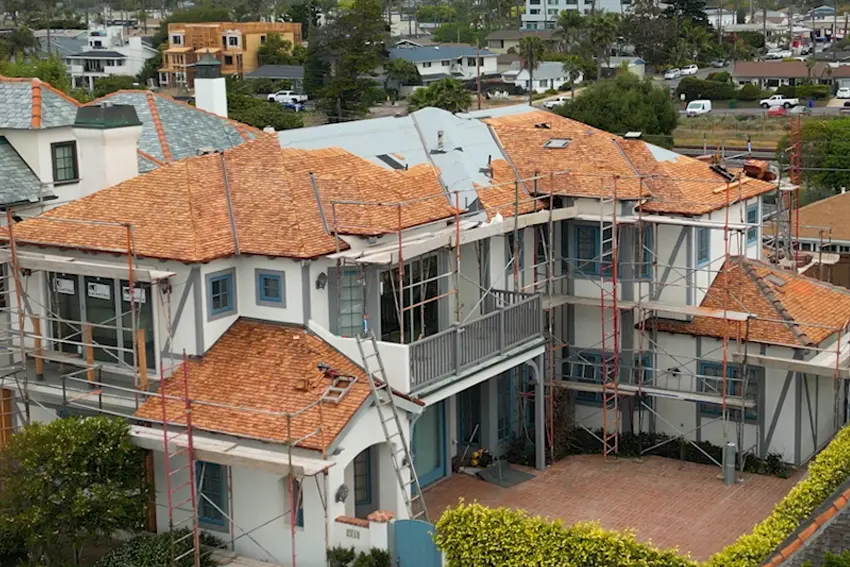
Dealing with an insurance claim is stressful enough without navigating the roofing side on your own. At Schott Roofing and Construction, we regularly assist San Diego County homeowners through the process: free professional roof inspections with written damage reports and accurate estimates aligned with what insurers need to see. All of our roofing work is backed by a 10-year labor warranty.
Whether your roof needs a repair or a full replacement, we’ll make sure the work is done right and that you have the documentation to support your claim every step of the way.
Request a Free Estimate or call us at (760) 630-6450.