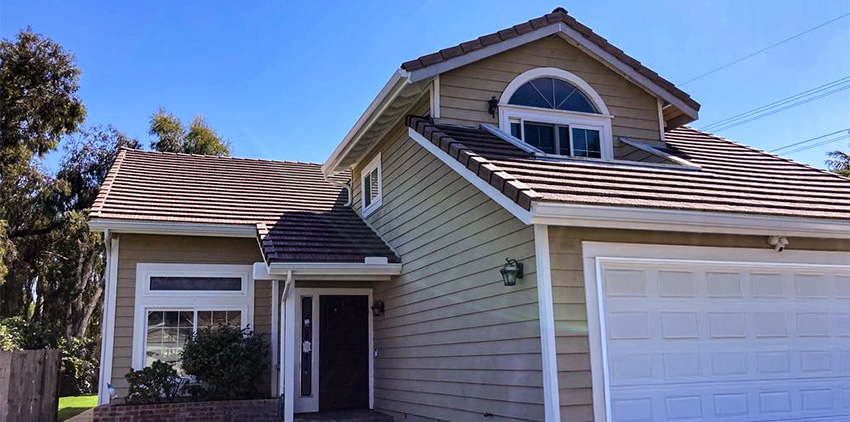
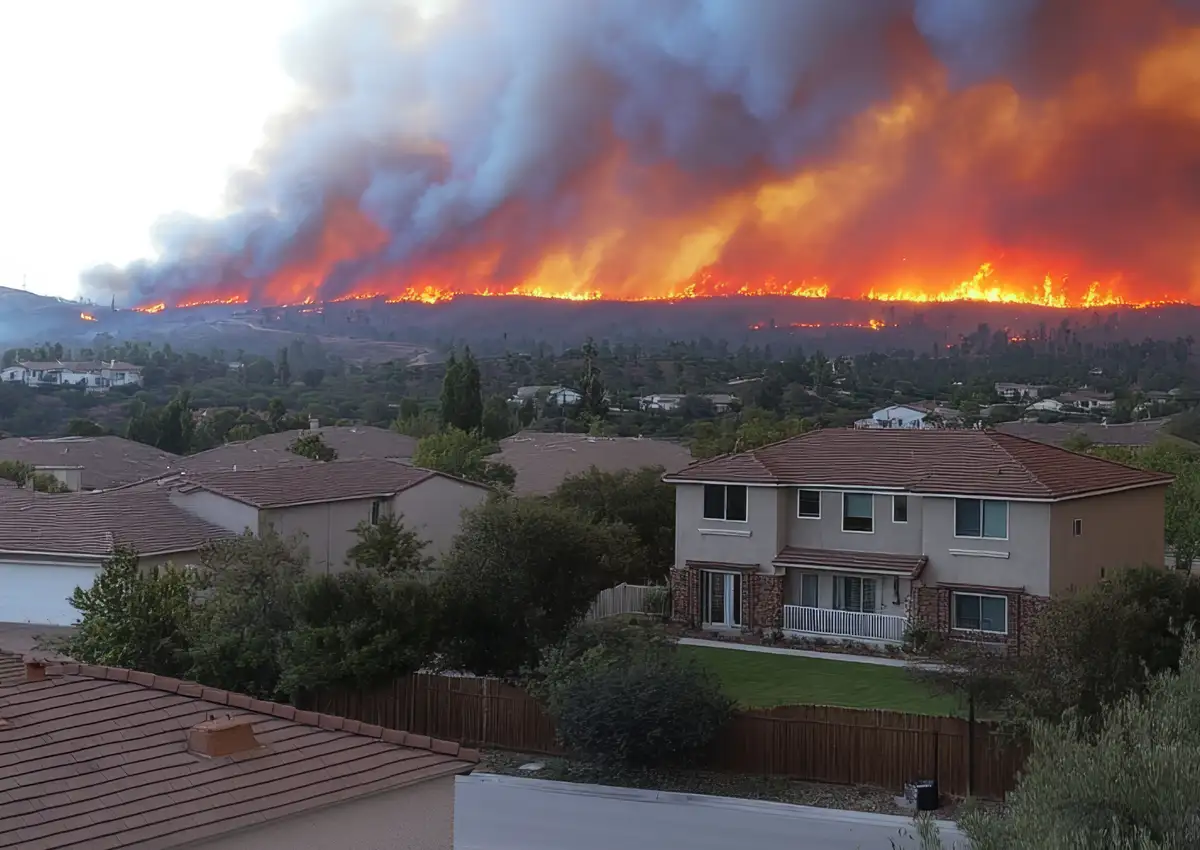
Fire season has changed the way homeowners here think about their roofs. It’s not just a Fallbrook or Ramona problem anymore. Coastal families are paying closer attention too, especially now that insurance companies are asking homeowners to prove their roofs can hold up.
It catches a lot of people off guard, especially when their roof looks fine on the surface. Some insurers are requiring fire hardening upgrades on top of a fire-rated roof before they’ll renew a policy, and some contractors don’t want to take on that kind of project. We do, because this is exactly the kind of work we’ve built our business on.
If you’re staring down a similar letter from your insurer, or you just want a roof that can actually stand up to fire season, here’s what you need to know.
What Class A Fire Rating Actually Means
A Class A fire rating is the highest level of fire resistance a roof can earn. Here’s the part most homeowners don’t realize: it’s not just about the shingle or tile on top. It’s a system rating. The underlayment underneath matters just as much as the surface material, and installing them together the right way is what actually earns the rating.
California’s building code addresses this directly. These requirements, long known as Chapter 7A, now live in the California Wildland-Urban Interface Code under Title 24. They cover everything from the roof covering to the underlayment to how vents and eaves are protected. A roof that looks fire resistant but wasn’t installed as a full system won’t hold up to code review, or to an actual fire.
Top Class A Materials for North County Homes
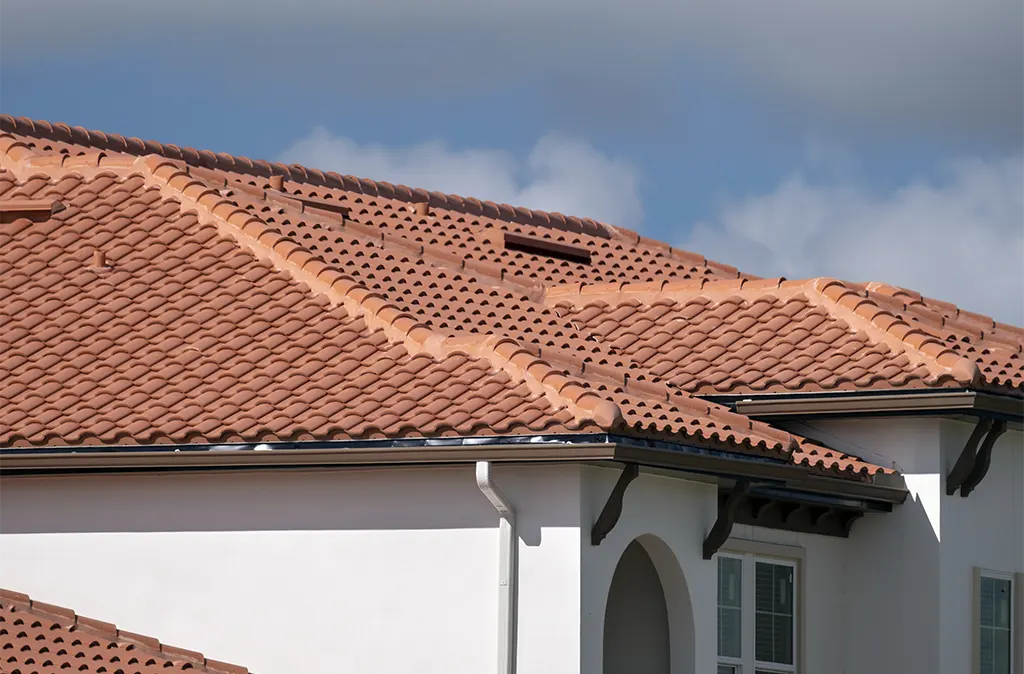
Concrete and clay tile
Naturally non-combustible and Class A rated without any chemical treatments. These tiles last 50 years or more and handle coastal salt air well, which makes them a smart choice whether you’re in a fire zone or a mile from the ocean. We often install Eagle Roofing Products and Boral tile on these jobs.
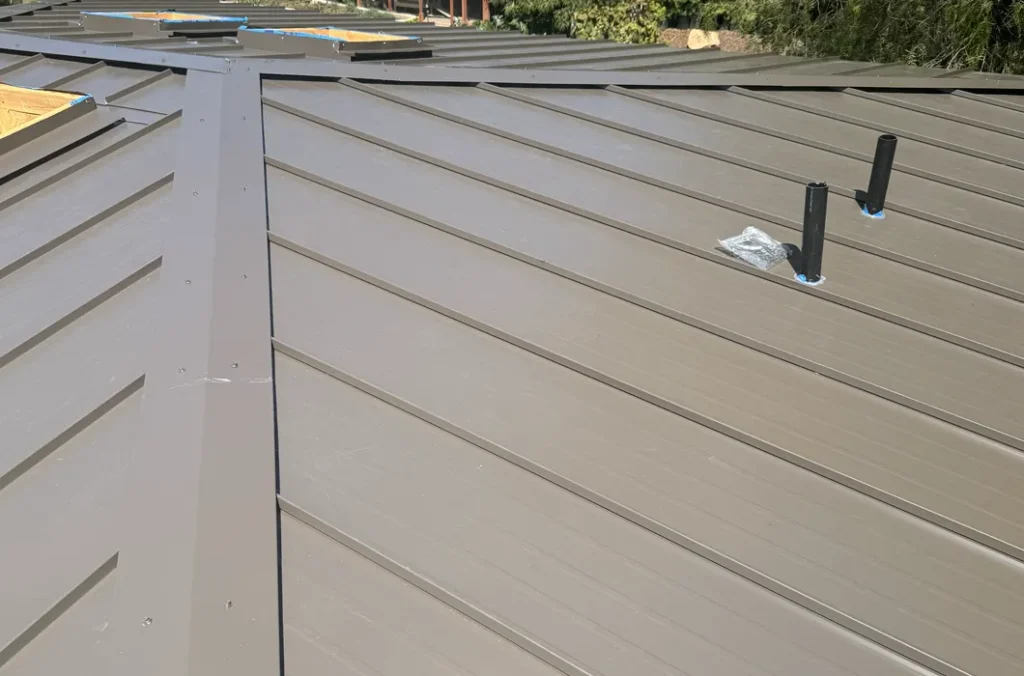
Metal roofing
Completely non-combustible and Class A rated. Metal reflects heat instead of absorbing it, and it’s lightweight enough to work on a wide range of homes. It performs well in fire zones and coastal neighborhoods alike.
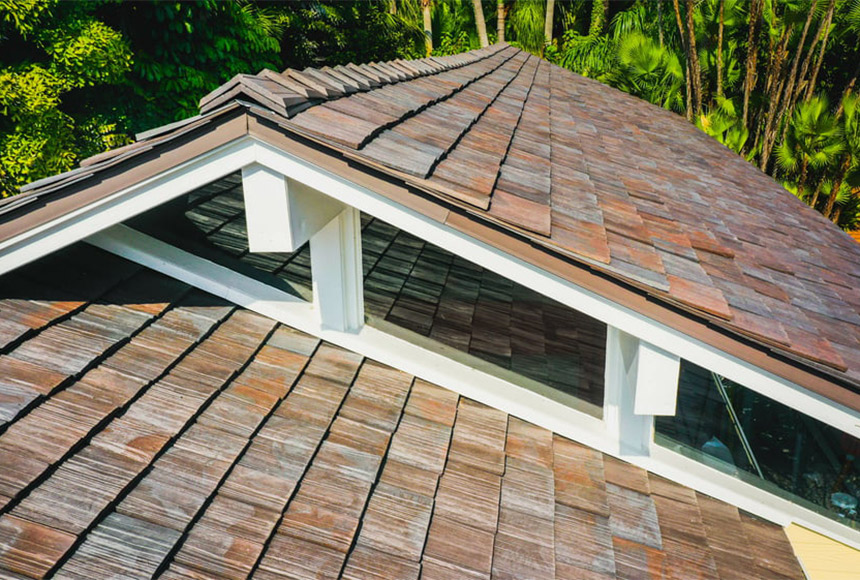
Brava composite
This is one of our favorite products to recommend. Brava makes synthetic tile, shake, and slate that’s Class A rated and made from recycled materials. It’s lightweight, low maintenance, and gives homeowners the look of natural shake or slate without the fire risk.
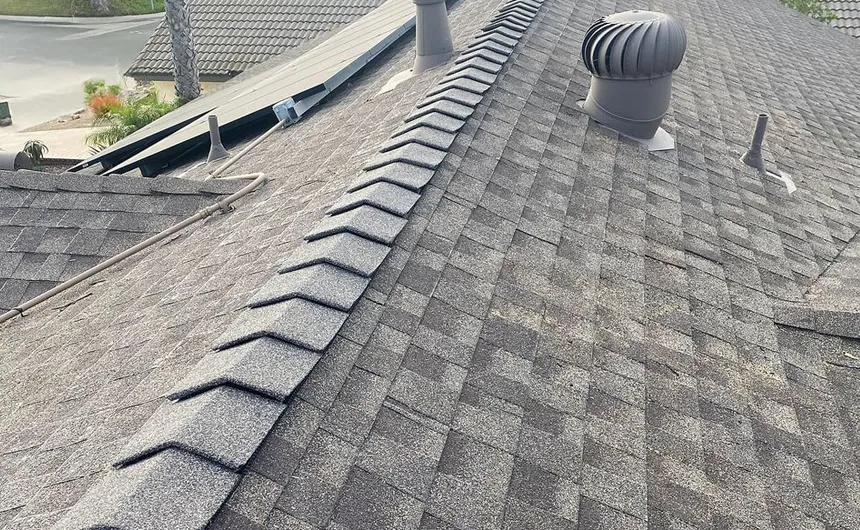
Fire-rated asphalt or composite shingles
Fiberglass based shingles can reach Class A when they’re paired with the right underlayment. This is the most affordable entry point into fire-rated roofing. We’re an Owens Corning preferred contractor and CertainTeed affiliate, and our crews are GAF factory trained, so we know how to install these systems correctly the first time.
Where Fire Resistance Is a Code Requirement in North County
Coastal Considerations
Fire Hardening Requirements Beyond the Roof Surface
A Class A roof only solves part of the problem. Chapter 7A also covers the areas around your roof that are easy to overlook: eaves, vents, and soffits. During a wildfire, these are common entry points for embers, and insurance companies have started requiring homeowners to address them even when the roof itself is in good shape.
Common fire hardening upgrades include:
- Enclosing open eaves with cement board siding
- Installing ember-resistant vents in attics and crawl spaces
- Boxing in exposed soffits to close off entry points
These are specialized projects, and not every roofing contractor is set up to handle them well. We design and install fire hardening upgrades that meet code and still look like they belong on your home, not like an add-on.
If your home has already experienced fire or water damage, our restoration team handles that too. One call covers both prevention and recovery.
The Insurance Angle
More insurers are requiring proof of a fire-rated roof for policy renewal in high-risk areas, and some are asking for fire hardening upgrades on top of that. The upside is real: a Class A roof can qualify you for a premium reduction of 10 to 25 percent. We handle both full roof replacements and standalone fire hardening projects, so whether you need a whole new system or just the eaves and vents brought up to code, we can help.