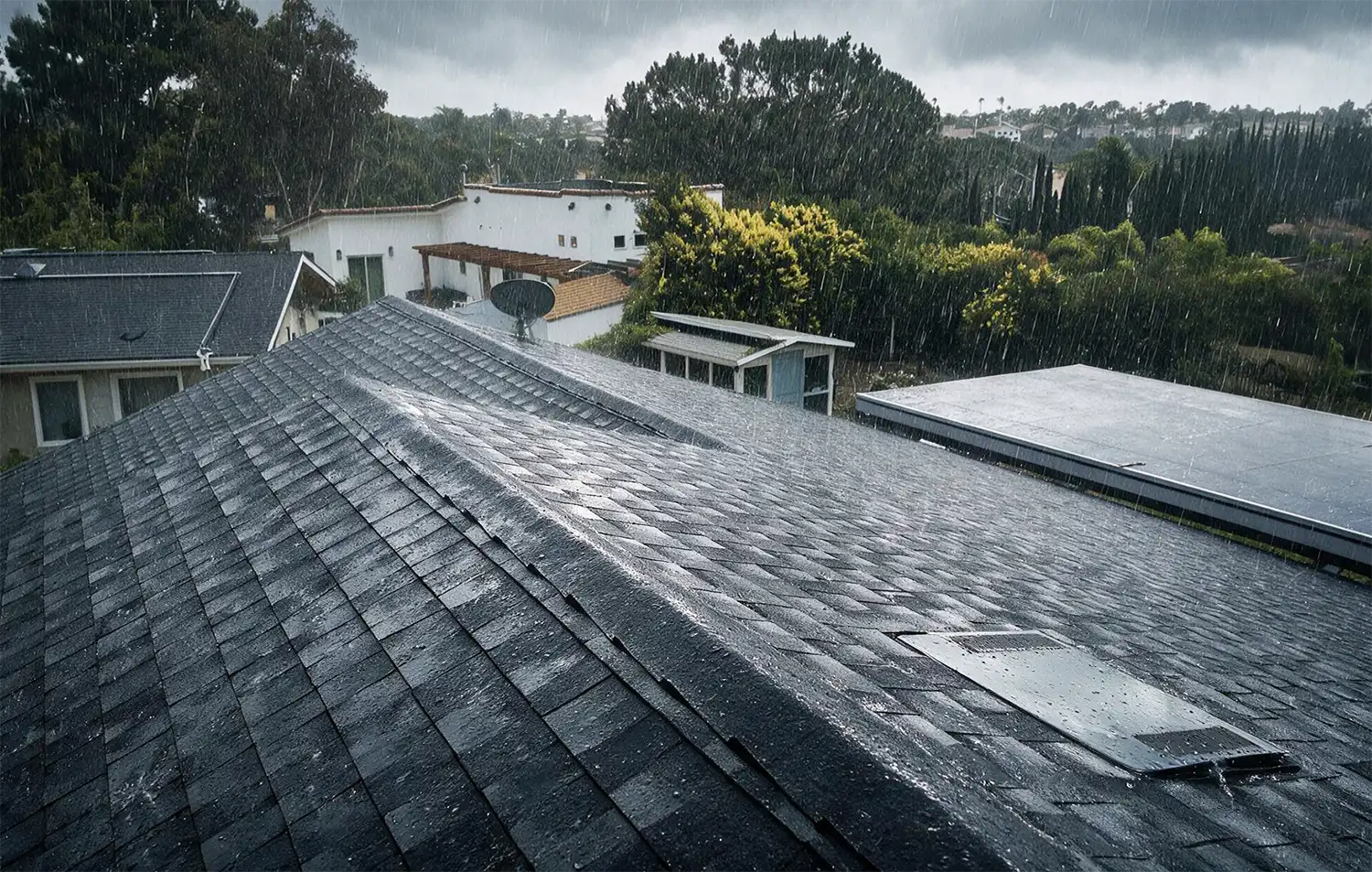
San Diego may be known for sunshine, but our roofs still need to be ready when the rainy season arrives. Months of sun, heat, and dry weather can take a toll on roofing materials, and the first significant rain of the season is often when homeowners discover a problem.
The good news is that late summer and early fall give you time to look for signs of wear before the wetter months arrive. If your roof is getting older or you’ve noticed signs of damage, taking care of the problem now can help prevent leaks and more extensive repairs later.
Here are some of the most common signs that your roof may need attention, and when it may be time to consider replacement.
How Do You Know If You Need a New Roof?
No single sign automatically means you need a new roof. The condition of the roof, its age, the roofing material, and its repair history all play a part.
In many cases, a repair may be all that’s needed. But when an older roof begins showing multiple signs of deterioration, replacement can sometimes be the more practical long-term solution.
Here are some of the things our roofers look for when evaluating the condition of a roof.
Your Roof is Getting Older
Age doesn’t necessarily mean your roof needs to be replaced, but it does give you a reason to pay closer attention to its condition.
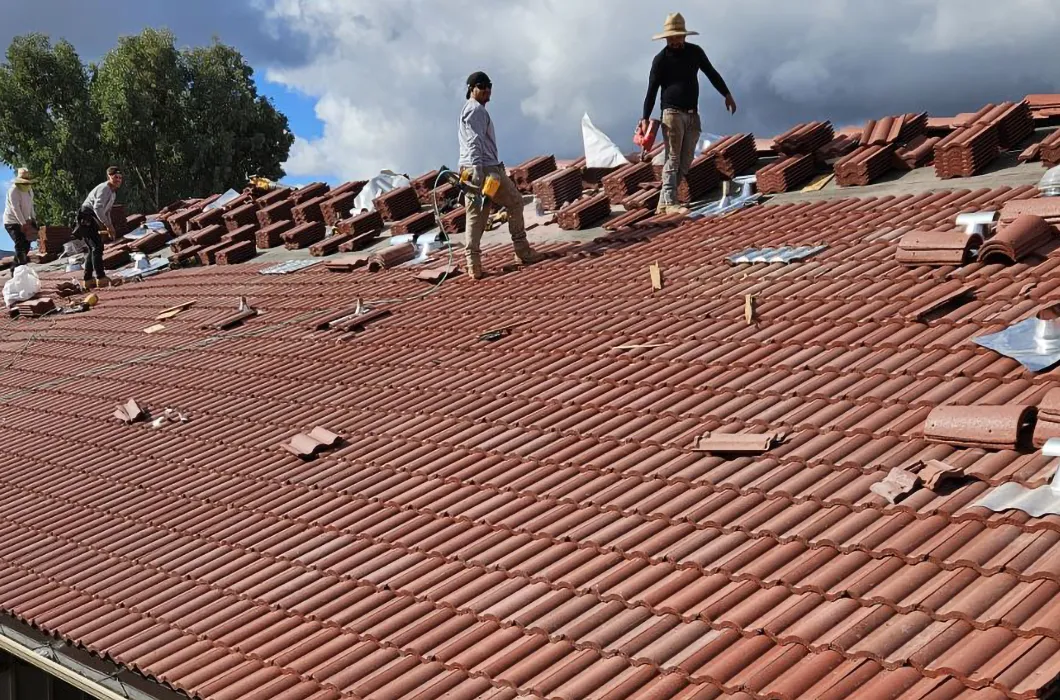
Tile roofs are common throughout San Diego County and can last for decades. However, the tiles are only one part of the roofing system. The underlayment beneath them provides an important layer of protection against water and typically doesn’t last as long as the tile itself.
If you have an older roof and aren’t sure when the underlayment was last replaced, it’s worth having the roof checked, especially if you’re noticing other signs of wear.
You Have Ceiling Stains or Water Marks
Water stains on ceilings or walls are an obvious sign that moisture is getting into your home.
The source isn’t always directly above the stain. Water can travel along roof decking, framing, or other materials before becoming visible inside your home. That’s why locating the actual source of a roof leak is an important part of making the right repair.
If you notice new staining, don’t wait for another storm to see whether it gets worse.
You See Missing, Cracked, or Damaged Tiles
Cracked or missing roof tiles expose the roofing system beneath them to additional weather and UV exposure.
A few damaged tiles may be repairable, particularly if the rest of the roof is in good condition. However, widespread cracking, slipping tiles, or repeated tile problems can indicate that more than an individual repair is needed.
You’re Finding Granules in the Gutters
If you have an asphalt shingle roof, some granule loss is normal over time. As shingles age, however, they can begin losing larger amounts of the protective granules on their surface.
You may notice granules collecting in gutters or at the bottom of downspouts. Shingles may also begin to look thin, patchy, or bare in areas.
Significant granule loss can be an indication that the shingles are nearing the end of their useful life.
Your Shingles Look Worn
Asphalt shingles can show their age in several ways. Look for shingles that are curling at the edges, cracked, faded, missing tabs, or developing bare spots where granules have worn away.
Wood shingles and shakes age differently. Splitting, warping, brittleness, rot, or areas that consistently hold moss or moisture can all indicate deterioration.
A few damaged shingles can often be repaired. When deterioration is widespread across the roof, replacement may make more sense.
The Roof Decking Feels Soft
Soft or spongy areas in the roof decking can indicate that moisture has been getting beneath the roofing materials.
Because walking on a roof can be dangerous and can damage certain roofing materials, we don’t recommend climbing onto your roof to check for soft spots yourself. If a roofer discovers deteriorated decking during an inspection or repair, it should be addressed rather than simply covered with new roofing material.
You See Staining in the Attic
Your attic can sometimes reveal a roof problem before you see water damage inside the living areas of your home.
If your attic is safely accessible, look for dark staining on the underside of the roof decking, damp insulation, signs of moisture around penetrations, or daylight coming through areas where it shouldn’t.
These signs don’t necessarily mean the entire roof needs replacement, but they do warrant a closer look.
Flashing Is Damaged or Deteriorating
Flashing helps protect some of the most leak-prone areas of a roof, including chimneys, vents, skylights, walls, and other roof penetrations.
Over time, flashing can crack, corrode, loosen, or separate from surrounding roofing materials. Damaged flashing is a common source of roof leaks and may be repairable when the rest of the roof is still in good condition.
The Roofline is Sagging
A roofline should appear relatively straight and even. Visible dips, waves, or sagging can indicate problems with the decking or underlying roof structure.
Sagging should be evaluated promptly. Depending on the cause and extent of the damage, repairs may involve more than simply replacing the surface roofing material.
You’ve Needed Several Roof Repairs
Needing an occasional roof repair doesn’t mean you need a new roof. Roofs require maintenance, and isolated damage can often be repaired successfully.
But if an aging roof has needed several repairs in recent years, or leaks continue appearing in different areas, it may be worth comparing the cost of continued repairs with the cost and benefits of replacement.
A good roofing contractor should be able to help you understand both options rather than automatically recommending a new roof.
Should You Repair or Replace Your Roof?
That’s often the most important question.
If the roof is generally in good condition and the problem is limited to one area, a repair may be the right solution. If the roofing system is older, deterioration is widespread, or you’re dealing with recurring leaks and repairs, replacement may provide better long-term value.
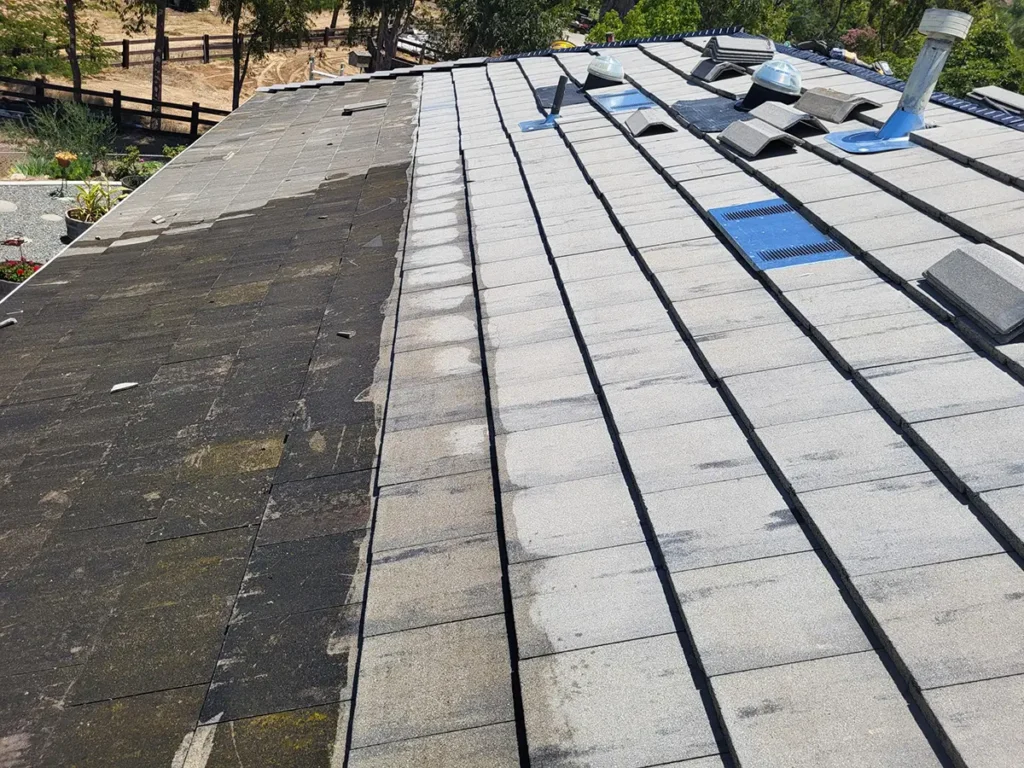
Not every roof showing signs of wear needs to be replaced. On a recent project, we worked on a flat tile roof with significant algae growth and underlayment that needed repair. Our team was able to remove the existing tiles, repair the underlayment, clean the tiles and restore the roof rather than replace it. When the work was finished, the roof looked nearly new.
That’s a good example of why the entire roofing system needs to be evaluated before deciding between repair and replacement. Sometimes the roofing material still has plenty of life left, and the right repairs and maintenance can help you get more from the roof you already have.
At Schott Roofing & Construction, our goal is to give homeowners the information they need to make that decision. Our experienced roofers can identify the source of the problem, explain what they find, and recommend the appropriate next step based on the condition of your roof.
San Diego Roof Warning Signs Checklist
- An older roof or underlayment that hasn't been evaluated recently
- Ceiling stains or water marks inside your home
- Dark staining or moisture visible in the attic
- Missing, cracked, slipped, or damaged tiles
- Excessive granules collecting in gutters or downspouts
- Curling, cracked, bald, or missing asphalt shingles
- Split, warped, deteriorated, or rotting wood shingles or shakes
- Soft or deteriorated roof decking identified during an inspection
- Damaged flashing around chimneys, vents, skylights, or walls
- Visible sagging or uneven areas along the roofline
- Multiple roof repairs or recurring leaks in recent years
One of these signs doesn’t necessarily mean you need a new roof. It does mean it’s worth finding out what’s happening before the rainy season puts your roof to the test.
Take Care of Roof Problems Before the Rain Arrives
Roof problems are usually easier to address before you’re dealing with an active leak.
Schott Roofing & Construction has served homeowners throughout North County San Diego since 1969. Our experienced team can assess your roofing concerns, explain your repair or replacement options, and provide an honest recommendation based on what your roof actually needs.
If you’ve noticed signs of wear or you’re concerned about the condition of an older roof, contact Schott Roofing & Construction for a free estimate before San Diego’s rainy season arrives.